
ByJohn A
Why Use an Exfoliating Scrub in Your Skincare Routine?
An exfoliating scrub can be a useful addition to a skincare routine when used correctly and according to your skin type. It is designed to help remove dead skin cells from the surface of the skin, leaving it feeling smoother and refreshed. Over time, dead skin cells can build up and make the skin appear dull, rough, or uneven. Gentle exfoliation can help improve the appearance and texture of the skin while supporting a more consistent skincare routine. However, understanding how exfoliation works and how often to use a scrub is important for maintaining comfortable, healthy-looking skin.
What Is an Exfoliating Scrub?
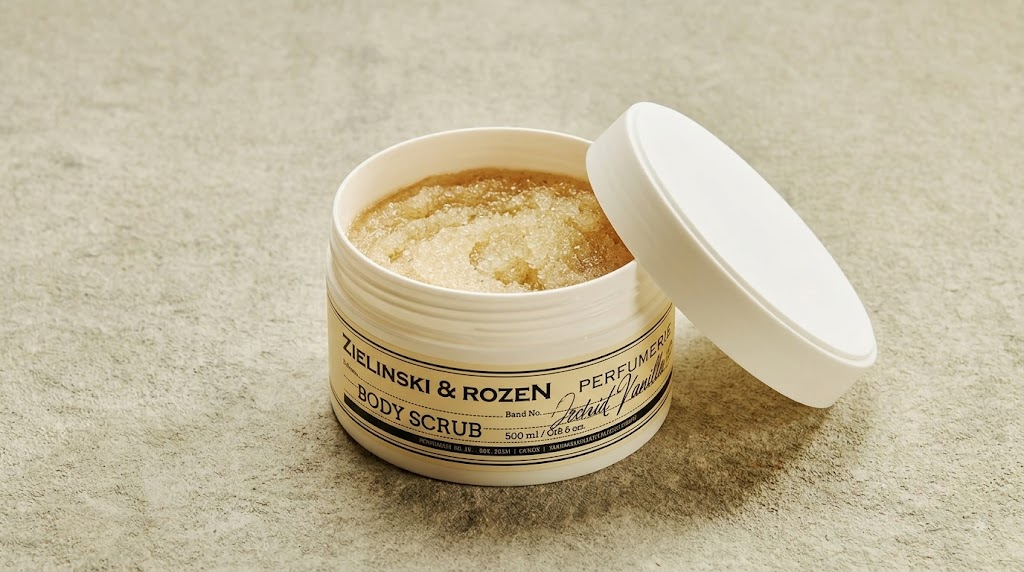
An exfoliating scrub is a skincare product that contains small particles or textured ingredients designed to loosen and remove dead skin cells through physical exfoliation. When gently massaged over the skin, these particles help lift surface buildup.
Exfoliating scrubs are available in different textures and formulations. Some are designed for the face, while others are intended for the body. Facial skin is generally more delicate, so products made specifically for the face tend to have finer particles and a gentler texture.
The purpose of exfoliation is not to aggressively scrub the skin. Instead, it should be a gentle process that helps remove surface debris without causing unnecessary irritation.
Why Is Exfoliation Important?
Skin naturally sheds dead cells as part of its renewal process. However, some dead cells can remain on the surface and contribute to a rough or dull appearance. Regular, appropriate exfoliation can help improve the way the skin looks and feels.
Helps Remove Dead Skin Cells
One of the main purposes of exfoliation is to remove accumulated dead skin cells from the skin’s surface. This can help reveal newer-looking skin underneath and create a smoother appearance.
Removing surface buildup may also help skincare products spread more evenly across the skin. However, exfoliation should complement a skincare routine rather than replace basic cleansing and moisturising.
Supports Smoother-Looking Skin
Dead skin cell buildup can make the skin feel rough or uneven. Gentle exfoliation can help improve surface texture and make the skin feel softer.
This can be particularly useful for areas that commonly become rough, such as elbows, knees, hands, and feet. Body scrubs can be used on these areas when the skin tolerates them well.
Helps Improve the Appearance of Dull Skin
A buildup of dead skin cells can make the complexion appear less vibrant. Removing some of this surface buildup may help the skin look fresher and more radiant.
The effect is generally related to surface smoothing rather than a permanent change in the skin. Consistency and gentle application are more important than aggressive exfoliation.
Benefits of Using an Exfoliating Scrub
When incorporated appropriately into a skincare routine, an exfoliating scrub can offer several benefits.
Promotes a Refreshed Appearance
Removing surface dead skin cells can give the skin a cleaner and more refreshed appearance. This can make exfoliation a useful step before applying moisturiser or other suitable skincare products.
Improves Skin Texture
Regular but gentle exfoliation may help reduce the feeling of roughness caused by surface buildup. With appropriate use, the skin can feel smoother and more comfortable.
Helps Maintain Soft-Looking Skin
Exfoliation can support softer-feeling skin by removing excess surface buildup. Following exfoliation with a suitable moisturiser can help maintain skin comfort and reduce dryness.
Can Support More Even-Looking Skin
Uneven surface texture can make the skin look inconsistent. Gentle exfoliation may help create a more uniform-looking surface by removing some dead cells.
It is important to remember that exfoliation does not eliminate all forms of uneven skin tone, pigmentation, scars, or other underlying skin concerns.
How to Use an Exfoliating Scrub Correctly
Using a scrub properly is important because excessive pressure or frequent use can irritate the skin.
Start With Clean, Damp Skin
Cleanse the skin first to remove everyday dirt, sweat, and other surface impurities. If using a body scrub, applying it to damp skin can make the process more comfortable.
Avoid applying a scrub to damaged, irritated, or sunburned skin.
Use Gentle Circular Motions
Apply a small amount of product and massage it gently using light circular movements. There is no need to press hard. The exfoliating particles are designed to provide the necessary physical action.
Aggressive rubbing does not make exfoliation more effective. Instead, it may increase redness, sensitivity, and discomfort.
Rinse Thoroughly
After gently massaging the scrub, rinse the skin thoroughly with lukewarm water. Make sure no residue remains on the skin.
Avoid very hot water because it can contribute to dryness and irritation.
Moisturise Afterwards
Exfoliation can leave the skin feeling temporarily more sensitive or dry. Applying a moisturiser afterwards can help support the skin barrier and maintain hydration.
A simple moisturising step is particularly important for people who already experience dry or tight-feeling skin.
How Often Should You Use an Exfoliating Scrub?
There is no single frequency that works for everyone. How often you exfoliate depends on your skin type, the area being treated, and the strength and texture of the scrub.
For many people, starting with once a week is a practical approach. If the skin remains comfortable and shows no signs of irritation, the routine can be adjusted according to individual needs and product instructions.
Using a scrub too frequently can cause dryness, redness, sensitivity, or discomfort. More exfoliation does not necessarily mean better results.
Choosing a Scrub for Your Skin Type
Different skin types may respond differently to physical exfoliation.
Dry Skin
People with dry skin should choose a gentle scrub and avoid excessive rubbing. Exfoliation should be followed by moisturising to help maintain comfort and hydration.
If the skin is extremely dry, cracked, or irritated, it may be better to focus on restoring skin comfort before exfoliating.
Oily Skin
Oily skin can also benefit from gentle exfoliation, particularly when surface buildup contributes to a rough appearance. However, over-scrubbing can irritate the skin and may make the routine counterproductive.
Sensitive Skin
Sensitive skin requires extra care. A coarse scrub or vigorous massage may cause redness or discomfort. If physical exfoliation causes irritation, discontinue use and consider discussing suitable alternatives with a skincare professional.
Combination Skin
People with combination skin may need to adjust their approach depending on different areas of the face or body. Areas that are dry or sensitive should be treated more gently than areas that tolerate exfoliation well.
Common Mistakes to Avoid
Several mistakes can reduce the benefits of exfoliation or increase the likelihood of irritation.
Scrubbing Too Hard
Pressure is not necessary for effective physical exfoliation. Gentle movements are generally preferable to aggressive rubbing.
Exfoliating Too Often
Using a scrub every day can be excessive for many people. Give the skin time to recover between exfoliation sessions.
Applying It to Irritated Skin
Avoid exfoliating areas with cuts, active irritation, sunburn, or other visible skin damage. Scrubbing compromised skin can increase discomfort and delay recovery.
Forgetting Moisturiser
Exfoliation should be followed by appropriate skincare, particularly moisturising. This helps maintain skin comfort after removing surface buildup.
What Should You Do After Exfoliating?
After using a scrub, keep the rest of your routine simple. Rinse the skin thoroughly and apply a suitable moisturiser. If exfoliating exposed areas of the body, sun protection is also important because protecting the skin from excessive sun exposure is a key part of maintaining healthy-looking skin.
Avoid combining several potentially irritating skincare steps immediately after exfoliation unless they are known to be suitable for your skin.
See also: Why Businesses Need Professional SEO Optimization Services
Final Thoughts
An exfoliating scrub can be a helpful part of a balanced skincare routine when used gently and in moderation. It can help remove surface dead skin cells, improve the feel of rough skin, and support a smoother and more refreshed appearance. The key is to avoid treating exfoliation as a process that requires vigorous scrubbing or frequent use.
Choose a product appropriate for your skin type, use gentle movements, avoid irritated areas, and moisturise afterwards. Paying attention to how your skin responds can help you develop an exfoliation routine that supports comfortable, smooth, and healthy-looking skin.