
ByJohn A
Understanding Compounded Ivermectin for Humans and Pharmacy Compounding
Ivermectin is a medication used to treat certain parasitic infections in humans. It has been available for decades and is prescribed in specific circumstances for conditions such as strongyloidiasis and onchocerciasis. Depending on the condition being treated, healthcare professionals may prescribe ivermectin in an approved tablet or other suitable formulation.
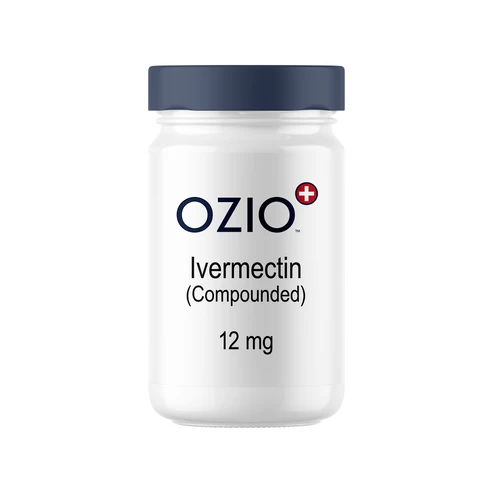
Pharmacy compounding introduces another option when an approved commercial product does not meet a particular patient’s needs. Compounded Ivermectin for Humans is prepared by a pharmacy according to a prescription and may differ from commercially manufactured medication in dosage form, strength, flavor, or other characteristics. Understanding how this process works can help patients distinguish legitimate compounded medicine from unverified products sold through questionable sources.
What Is Compounded Ivermectin?
Compounding involves preparing a medication for an individual patient when a commercially available formulation is not suitable or does not provide the required form. A licensed pharmacy or appropriately authorized compounding facility prepares the medication based on a prescription from a healthcare professional.
For ivermectin, compounding may involve creating a dosage form that is easier for a particular patient to use. For example, a pharmacist may prepare a formulation when a patient has difficulty swallowing a conventional tablet or requires a specific strength that is not commercially available.
Compounded medication is different from mass-produced pharmaceutical products. Commercial medicines are manufactured under standardized processes and undergo regulatory requirements specific to approved products. A compounded preparation is made for a particular prescription and is not automatically equivalent to an approved commercial product.
Why Might a Doctor Prescribe a Compounded Form?
Most patients who require ivermectin can use an approved formulation prescribed according to the appropriate medical indication. Compounding is generally considered when an individual has a specific need that cannot be reasonably addressed with an available commercial product.
Potential reasons can include:
- A required strength is unavailable in a commercial formulation.
- A patient cannot comfortably swallow the available dosage form.
- A different dosage form is medically appropriate for the individual.
- An ingredient in a commercially available formulation creates a problem for the patient.
- A healthcare professional determines that a compounded preparation is appropriate for a particular prescription.
The decision should come from the prescribing clinician and pharmacist rather than from the patient’s choice of product based solely on availability or online advertising.
How Pharmacy Compounding Works
A legitimate compounding process begins with a prescription and an assessment of the patient’s medication requirements. The pharmacist reviews the prescription, ingredients, dosage instructions, and relevant patient considerations before preparing the medication.
The pharmacy must use appropriate ingredients and suitable procedures for the specific preparation. Accurate measurement is particularly important because medication concentration directly affects the amount received by the patient.
The finished preparation should also be properly labeled. Information generally includes the patient’s name, medication name and strength, directions for use, storage instructions, beyond-use information, and pharmacy details.
Quality practices vary according to the type of pharmacy and applicable regulations. Patients can ask the pharmacy about its compounding standards, ingredient sourcing, storage requirements, and procedures for handling the specific preparation.
Compounded Medication Is Not the Same as Veterinary Ivermectin
One of the most important distinctions is between medication intended for humans and veterinary products. Ivermectin is also used in veterinary medicine, but animal formulations may have different concentrations, inactive ingredients, dosing instructions, and quality requirements.
A veterinary product should not be substituted for a human prescription. The fact that both products contain ivermectin does not make them interchangeable.
Patients should also avoid attempting to measure or alter veterinary formulations to create a human dose. Dosage decisions should be based on the human medication prescribed by a qualified healthcare professional.
Product Quality and Ingredient Sources Matter
The quality of a compounded medication depends partly on the ingredients and procedures used by the pharmacy. Patients purchasing compounded ivermectin should know which pharmacy prepared the medication and whether the pharmacy is properly licensed or authorized to compound medications under the applicable rules.
A pharmacy should be able to provide basic information about the prescription, including the medication strength, directions, storage requirements, and beyond-use date. Unlabeled products, unclear packaging, or medications obtained from sources that cannot verify their origin should raise concerns.
Online sellers can create additional challenges. A website may use pharmaceutical terminology or display professional-looking packaging without providing reliable evidence that the product was prepared under appropriate pharmacy standards.
Dosage Should Be Determined by a Healthcare Professional
Ivermectin dosing is not identical for every condition. The appropriate amount may depend on the infection being treated, body weight, medical history, other medications, and other clinical factors.
Taking more medication does not necessarily produce better results and may increase the risk of adverse effects. Symptoms such as dizziness, nausea, diarrhea, or other reactions can occur, while excessive exposure can lead to more serious toxicity.
Patients should follow the prescription exactly and should not change the dose, frequency, or duration without consulting their healthcare professional.
How Patients Can Assess a Compounding Pharmacy
Before obtaining a compounded medication, patients can ask practical questions about the pharmacy and prescription.
Useful questions include:
- Is the pharmacy licensed to compound medications?
- Does the prescription clearly identify the strength and dosage form?
- What ingredients are included in the preparation?
- How should the medication be stored?
- What is the beyond-use date?
- Who should be contacted if there is a problem with the medication?
- Are there specific instructions for handling or administering the preparation?
A pharmacist should be willing to explain the medication and provide appropriate instructions. Patients should also verify that the label matches the prescription they received from their healthcare professional.
Why Professional Oversight Matters
Compounding can address legitimate medication needs, but it should not be treated as a way to bypass medical evaluation or obtain a different version of a drug for self-treatment.
Ivermectin has established uses in human medicine, but it is not appropriate for every illness or symptom. A healthcare professional can determine whether ivermectin is indicated, select an appropriate formulation, and consider possible interactions or contraindications.
For patients who genuinely require a compounded preparation, communication between the prescriber, pharmacist, and patient helps reduce medication errors and ensures that the preparation is used for its intended purpose.
Making an Informed Choice About Compounded Ivermectin
Compounded ivermectin occupies a specific place in pharmacy practice. It can provide an alternative formulation for patients whose needs cannot be adequately met by an available commercial medication. The preparation is made according to a prescription and should come from a properly authorized pharmacy using appropriate pharmaceutical ingredients and procedures.
Patients should focus on the source of the medication, the prescription details, pharmacy credentials, labeling, and professional guidance rather than relying on claims made by unverified online sellers. A pharmacist can also explain how the compounded preparation differs from an approved commercial product and how it should be stored and taken.
For human use, ivermectin should be selected and prescribed for an appropriate medical indication. Pharmacy compounding can address specific formulation needs, but it does not remove the need for accurate dosing, quality controls, or clinical supervision.
